
Most people think “water is just water.” But ancient Himalayan cultures believed it carried power, the kind that heals, purifies, and connects humans to the divine.
After spending 200+ hours studying Himalayan water rituals, one question obsessed me:
➡️ Why did entire civilizations treat this water like a living deity?
For thousands of years, Hindu, Buddhist, Bon, and Indigenous communities described Himalayan waters as alive, a bridge between the human and cosmic worlds.
Not metaphorically. Literally.
They believed each drop held memory, spirit, and intention.
So what did they know that we forgot?
Here’s the myth-busting part:
💧 Himalayan water wasn’t considered sacred because it was clean. It was sacred because it was cosmically sourced.
Texts called it “wholesome water” pure, auspicious, charged with divine energy.
Modern science would call this a belief system.
Ancient practitioners would call it truth.
Let’s break their worldview down using a modern mental model:
The Sacred Water Framework (SWF)
1️⃣ Origin
2️⃣ Purification
3️⃣ Offering
4️⃣ Power
Each step explains why Himalayan water rituals survived thousands of years.
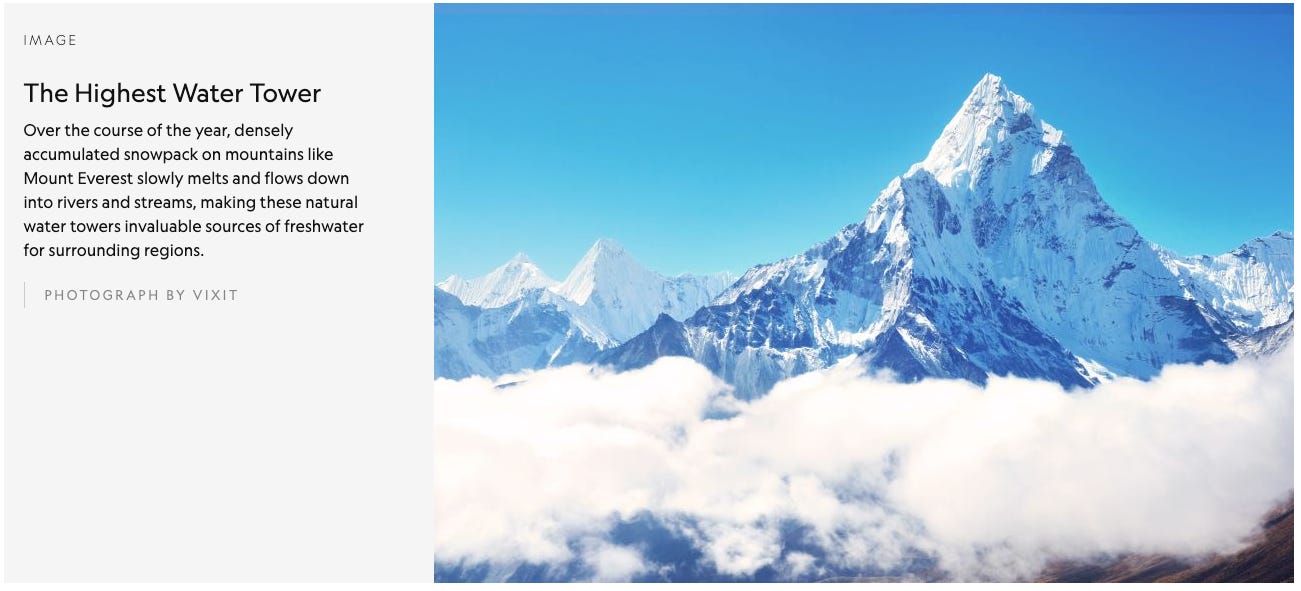
In ancient cosmology, the Himalayas weren’t mountains they were cosmic antennas.
The water flowing from them wasn’t runoff, it was a gift from deities, infused with protection and spiritual charge.
Using this water in rituals wasn’t symbolic.
People believed it amplified blessings like a spiritual multiplier effect.
That’s why “wholesome water” from Himalayan rivers became the gold standard for:
-
Ritual bathing
-
Sipping before prayer
-
Sprinkling for purification
-
Consecration ceremonies
It wasn’t just cleaner.
It was holier.
Ritual water in Himalayan societies was the original detox.
But not just for the body.
Ancient Ayurvedic and spiritual texts describe it as a purifier of:
-
Exhaustion
-
Disease
-
Karma
-
Energetic impurities
They saw water as a reset button for both the physical and the subtle body.
When empowered with mantras or herbs, water became a medicine.
A shield.
A cleansing force against:
-
Bad spirits
-
Illness
-
Negative influences
-
Emotional heaviness
In today’s language:
Water = spiritual antivirus software.
Imagine believing your ancestors still walk beside you.
Now imagine believing water is the bridge to speak with them.
That’s how Himalayan cultures saw it.
Libation rituals weren’t symbolic, they were conversations.
Pouring water onto the earth or into a river meant:
-
Nourishing ancestors
-
Thanking protective spirits
-
Cleansing karmic threads
-
Maintaining cosmic order
Himalayan rivers weren’t just ecosystems.
They were goddesses fertile, protective, liberating.
Even today, immersing ashes in Himalayan waters is believed to:
-
Release the soul
-
Purify lifetimes of karma
-
Guide spirits toward freedom
Water wasn’t just part of life.
It guided death, too.
Here’s where it gets extraordinary.
Across the Himalayas, shamans treat certain springs and river bends as portals.
They use this water to:
-
Enter trance
-
Communicate with spirits
-
See visions
-
Journey for healing
Water as WiFi to the divine.
Specific spots known only to spiritual lineages are believed to enhance psychic clarity.
Shamans describe these waters as:
-
“Awakening”
-
“Softening the veil”
-
“Opening the ear to spirits”
It’s not superstition.
It’s a technology, just an ancient one.
So what does all this mean for us?
What can modern people learn from ancient Himalayan water wisdom?
Here are the 3 levels of application:
Foundational → Practical → Transformative
Let’s break them down. 👇
💧 Treat water with intention.
Even modern psychology supports this: rituals sharpen focus and emotional clarity.
Before drinking or bathing, pause.
Set an intention.
Your mind responds to meaning.
💧 Use water for reset rituals.
(Not religious—human.)
Examples:
-
Rinsing hands to signal “starting fresh”
-
Pouring water out as a gratitude practice
-
Bathing after stressful events to release tension
Ritual = structured reflection.
💧 Return water to the role of connection.
To self.
To ancestors.
To nature.
To silence.
Go to a river or spring.
Sit.
Listen.
Let the mind soften.
Ancient people weren’t primitive, they were attentive.
The modern world treats water as a resource.
Ancient Himalayan cultures treated it as a relationship.
That shift alone can transform how we feel, live, heal, and connect.
If you take anything from this thread, let it be this:
💧 Water isn’t just something you consume.
It’s something that teaches.
It carries memory, meaning, and movement.
And perhaps, ancient wisdom we’ve forgotten how to hear.
If this thread opened your curiosity even 1%, share it.
Someone else may reconnect with a tradition, a memory, or a part of themselves they thought was lost.
Follow for more threads on ancient wisdom, healing traditions, and the science behind them. 🌿
References
-
https://www.thearchaeologist.org/blog/the-significance-of-water-in-ancient-rituals
-
https://hshs.com.au/why-we-offer-water-on-the-altar-in-religious-practices/
-
http://history-of-hinduism.blogspot.com/2010/06/water-and-hinduism.html
-
https://publications.americanalpineclub.org/articles/12198712300/The-Sacred-Himalaya
-
https://www.facebook.com/groups/510095749462110/posts/2081257985679204/
-
https://spellbathing.com/himalayan-pink-salt-bath-spiritual-benefits/
-
https://www.insidehimalayas.com/sacred-traditions-of-himalayan-buddhism/